
The purpose of this VCM Primer is to provide an overview of the VCM to the governments of countries that are or are likely to be hosting VCM projects.
The Primer increases government understanding of and strategic engagement with the VCM. The target audiences of this Primer are policymakers in host countries, advisors to policymakers, and other public sector actors engaging with the VCM.
Scroll down to read all fifteen chapters online or click above to download PDFs of the full report, introduction, or individual chapters. Each section is available in English, Bahasa Indonesia, Español, Français, and Português.
Chapter 1: What is the VCM?

This chapter provides a general introduction to the VCM, its history, how it operates, current trends in supply and demand of credits, and its key benefits and limitations.
Chapter 1 is available for download as a PDF in multiple languages (English, Bahasa Indonesia, Spanish, French, and Portuguese) in both full-resolution and low-resolution versions.
Chapter 2: What is the role of governments in the VCM?

This chapter describes the regulation of the VCM, how governments can engage strategically to access VCM-based finance, and the roles governments can play in the VCM.
Chapter 2 is available for download as a PDF in multiple languages (English, Bahasa Indonesia, Spanish, French, and Portuguese) in both full-resolution and low-resolution versions.
Chapter 3: How does the VCM link to the Paris Agreement and Article 6?

This chapter discusses the links between the VCM and Article 6 of the Paris Agreement, and how the VCM can support countries’ commitments under the international climate regime.
Chapter 3 is available for download as a PDF in multiple languages (English, Bahasa Indonesia, Spanish, French, and Portuguese) in both full-resolution and low-resolution versions.
Chapter 4: How are greenhouse gas reductions and removals accounted for in the VCM?

This chapter details how GHG emissions are accounted for in the VCM and how this is influenced by the Paris Agreement, the three types of double counting, the risks of double claiming, and how governments can address double claiming in the VCM.
Chapter 4 is available for download as a PDF in multiple languages (English, Bahasa Indonesia, Spanish, French, and Portuguese) in both full-resolution and low-resolution versions.
Chapter 5: What are carbon credits?

This chapter explains what a carbon credit represents, the legal basis of carbon credits, how carbon credits are generated, how the two main types of carbon crediting systems are structured, and how public policy relates to the generation of carbon credits.
Chapter 5 is available for download as a PDF in multiple languages (English, Bahasa Indonesia, Spanish, French, and Portuguese) in both full-resolution and low-resolution versions.
Chapter 6: What makes a carbon credit high quality?

This chapter characterizes the high quality carbon credits, VCM activities that lead to the generation of high-quality credits, and public policy that can facilitate the increased supply of high-quality credits.
Chapter 6 is available for download as a PDF in multiple languages (English, Bahasa Indonesia, Spanish, French, and Portuguese) in both full-resolution and low-resolution versions.
Chapter 7: What is the role of carbon standards in the VCM?

This chapter clarifies the role of carbon standards, the largest standards in the VCM, and how governments and carbon standards interact.
Chapter 7 is available for download as a PDF in multiple languages (English, Bahasa Indonesia, Spanish, French, and Portuguese) in both full-resolution and low-resolution versions.
Chapter 8: How is the voluntary carbon market structured?

This chapter outlines the main actors in the VCM, the VCM activity cycle, and the criteria under which carbon credit prices are determined.
Chapter 8 is available for download as a PDF in multiple languages (English, Bahasa Indonesia, Spanish, French, and Portuguese) in both full-resolution and low-resolution versions.
Chapter 9: How are carbon credits used?

This chapter examines carbon offsetting, corporate climate targets, carbon neutrality, and non-offset uses of carbon credits.
Chapter 9 is available for download as a PDF in multiple languages (English, Bahasa Indonesia, Spanish, French, and Portuguese) in both full-resolution and low-resolution versions.
Chapter 10: How are carbon rights considered in the VCM?

This chapter explores the basics of carbon rights, including how they are legally determined, how they are established in the VCM, and how governments can act to clarify them and therefore support VCM activities in their jurisdictions.
Chapter 10 is available for download as a PDF in multiple languages (English, Bahasa Indonesia, Spanish, French, and Portuguese) in both full-resolution and low-resolution versions.
Chapter 11: Why and how do Indigenous Peoples and local communities engage with the VCM?

This chapter discusses the rights and roles of Indigenous Peoples (IPs) and local communities (LCs) in the VCM, and how to avoid risks and increase benefits to IPs and LCs from VCM activities.
Chapter 11 is available for download as a PDF in multiple languages (English, Bahasa Indonesia, Spanish, French, and Portuguese) in both full-resolution and low-resolution versions.
Chapter 12: How are VCM benefits shared?

This chapter defines benefit sharing and the best practices for benefit sharing arrangements.
Chapter 12 is available for download as a PDF in multiple languages (English, Bahasa Indonesia, Spanish, French, and Portuguese) in both full-resolution and low-resolution versions.
Chapter 13: How does the VCM support nature-based solutions?

This chapter summarizes the role and main classes of nature-based solutions (NbS), the carbon standards that certify credits from NbS projects and the current state of NbS in the VCM.
Chapter 13 is available for download as a PDF in multiple languages (English, Bahasa Indonesia, Spanish, French, and Portuguese) in both full-resolution and low-resolution versions.
Chapter 14: How can the VCM support REDD+?
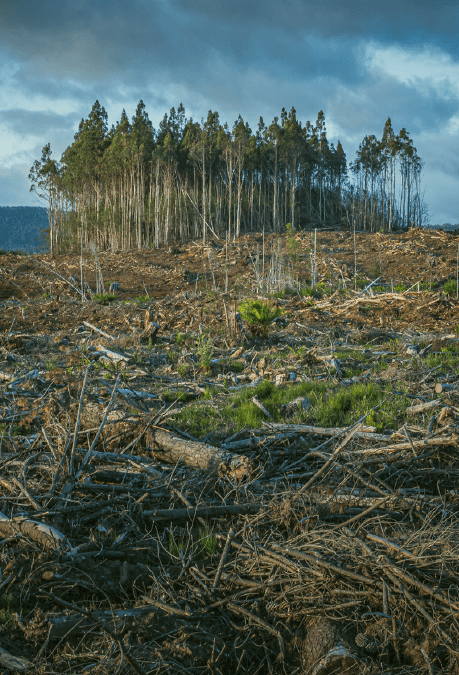
This chapter reviews the international framework of Reducing Emissions from Deforestation and Degradation plus conservation, sustainable management, and enhancement of forest stocks (REDD+), the Warsaw Framework for REDD+ (WFR), how REDD+ is integrated in the VCM, and how government implementation of REDD+ and the WFR can be made compatible with engagement in the VCM.
Chapter 14 is available for download as a PDF in multiple languages (English, Bahasa Indonesia, Spanish, French, and Portuguese) in both full-resolution and low-resolution versions.
Chapter 15: How does REDD+ nesting work?

This chapter delves into what REDD+ nesting is in the context of the VCM, how nesting should be designed and implemented, and why governments engage in nesting.
Chapter 15 is available for download as a PDF in multiple languages (English, Bahasa Indonesia, Spanish, French, and Portuguese) in both full-resolution and low-resolution versions.
The Voluntary Carbon Market Explained (VCM Primer) is supported by the Climate and Land Use Alliance (CLUA).
The authors thank the reviewers and partners that generously contributed knowledge and expertise to this Primer.
For comments on ‘The Voluntary Carbon Market Explained’ please contact info@climatefocus.com.
 vcmprimer.org